India’s edtech sector has matured well past the pandemic-era boom, and expectations from both students and institutions have risen with it. That’s the reality behind every education app development Hyderabad request we get in 2026.
As a mobile app development company in Hyderabad, we’ve built LMS platforms for schools, coaching institutes, and independent educators. Here’s what actually matters in building one.
What Makes an Education App Different
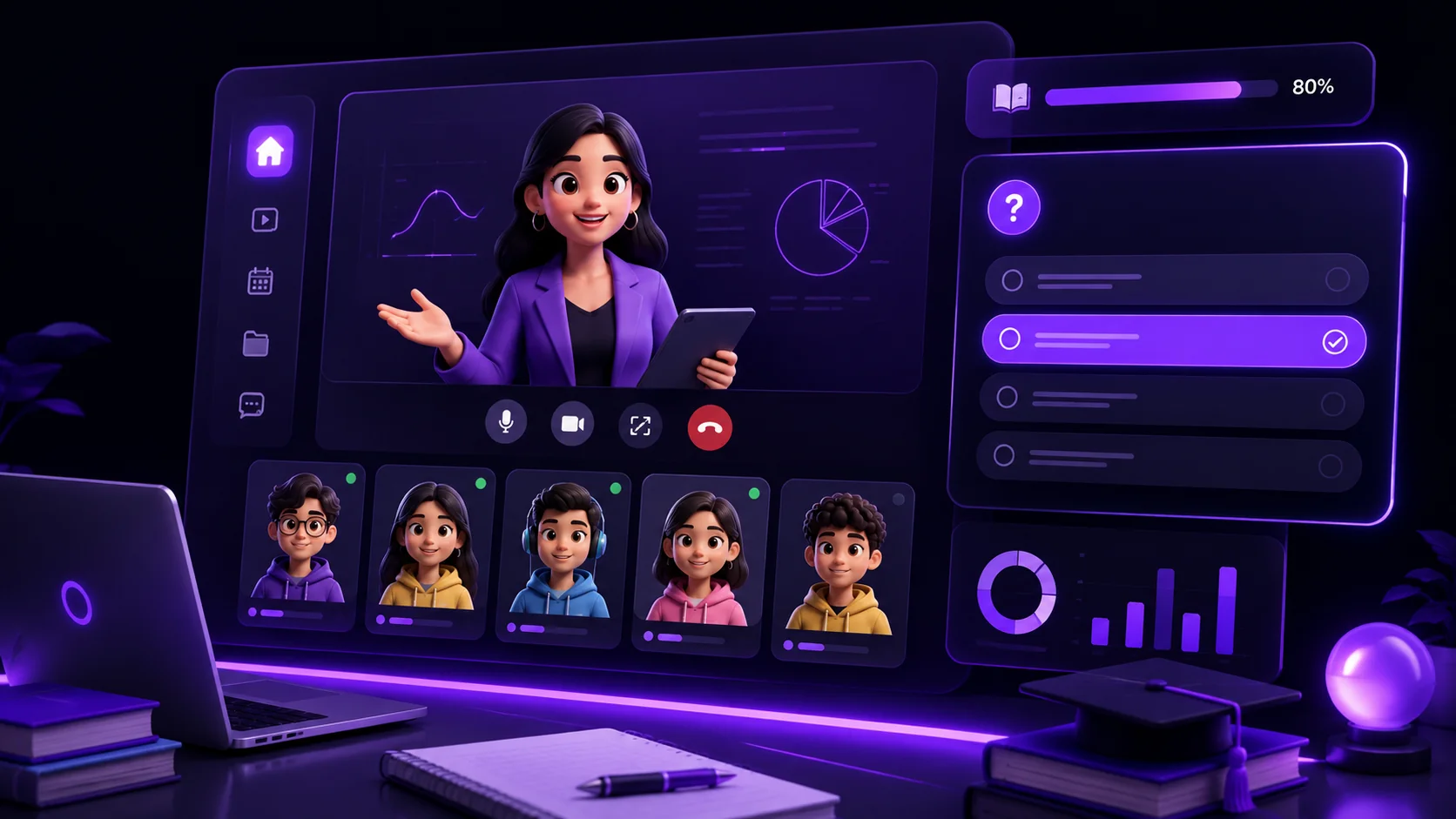
Unlike most consumer apps, education apps need to serve multiple user types at once — students, teachers, parents, and administrators — each with different permissions and views. This isn’t optional complexity; it’s the core structure the entire app depends on.
So planning user roles carefully from day one saves significant rework later.
Core LMS Features Students Expect
- Live and recorded classes — video delivery that works reliably on lower-bandwidth connections
- Quiz and assessment tools — auto-graded tests with instant feedback
- Progress tracking — clear visibility into completed lessons and performance over time
- Doubt-solving forums — a space for students to ask questions between live sessions
Skip any of these, and adoption suffers. Students compare your app to established platforms whether that’s fair or not.
Features Teachers and Institutions Need
Teachers need content upload tools that don’t require technical skill to use. Bulk student management, gradebook automation, and attendance tracking round out the essentials for institutional users.
Admin dashboards should give a clear view across all classes and teachers, not just individual course data in isolation.
Video Delivery at Scale
Reliable video streaming is often the hardest technical challenge in an education app. Adaptive bitrate streaming — adjusting video quality automatically based on connection speed — matters enormously across India’s varied internet infrastructure.
Cloud video platforms handle much of this complexity, but integration still needs careful testing across different device and network conditions.
Compliance and Data Privacy for Student Data
Apps handling data from minors carry extra responsibility. Parental consent flows, careful data retention policies, and restricted data sharing all need consideration from the earliest planning stages.
This isn’t a checkbox exercise. Getting it wrong risks both legal exposure and, more importantly, genuine harm to the students the app serves.
Recommended Technology Stack
- Frontend: Flutter, for consistent UI across devices and lower-end Android phones common among students
- Backend: Node.js, for handling concurrent live-class connections efficiently
- Video infrastructure: Cloud-based streaming built for adaptive bitrate delivery
- Database: PostgreSQL, for structured student, course, and progress data
Gamification and Engagement
Streaks, badges, and progress milestones meaningfully improve student engagement, especially for younger learners. But gamification should support learning outcomes, not distract from them — balance matters here.
How NRS Technologies Builds Education Apps
We design education apps around the actual multi-role structure institutions need — student, teacher, parent, and admin views built from the same foundation, not bolted on separately. Our mobile app development services cover this full build process.
As a result, clients launch with a platform that scales across their actual user base, not just a demo for one role type. Our web development services also support the admin dashboards these platforms typically need alongside the mobile app itself.
Frequently Asked Questions
What’s the biggest technical challenge in education app development? Reliable video delivery across varied internet conditions is typically the hardest challenge, requiring adaptive bitrate streaming to work well for all students.
Do education apps need special compliance for student data? Yes, apps handling data from minors need careful attention to parental consent, data retention, and restricted data sharing from the earliest planning stages.
How long does it take to build an education app with LMS features? A focused MVP with core class delivery and assessment features typically takes a few months, depending on video infrastructure and integration complexity.
Should an education app support multiple user roles from launch? Yes, planning for student, teacher, parent, and admin roles from the start avoids significant rework compared to adding roles after initial launch.
Does gamification actually improve student engagement? Yes, when balanced properly. Streaks, badges, and progress tracking meaningfully improve engagement, especially for younger learners, without distracting from learning outcomes.
Can an education app work well on lower-bandwidth connections? Yes, with adaptive bitrate video streaming and lightweight app design, education apps can perform reliably even on inconsistent internet connections common in many regions.
Final Thoughts
Education apps reward businesses that plan for multi-role complexity and reliable video delivery from the start. Getting these foundations right determines whether students and institutions actually adopt the platform.
Ready to get started? Contact NRS Technologies at hello@nrstechnologies.com or visit nrstechnologies.com/contact for a free education app consultation.