
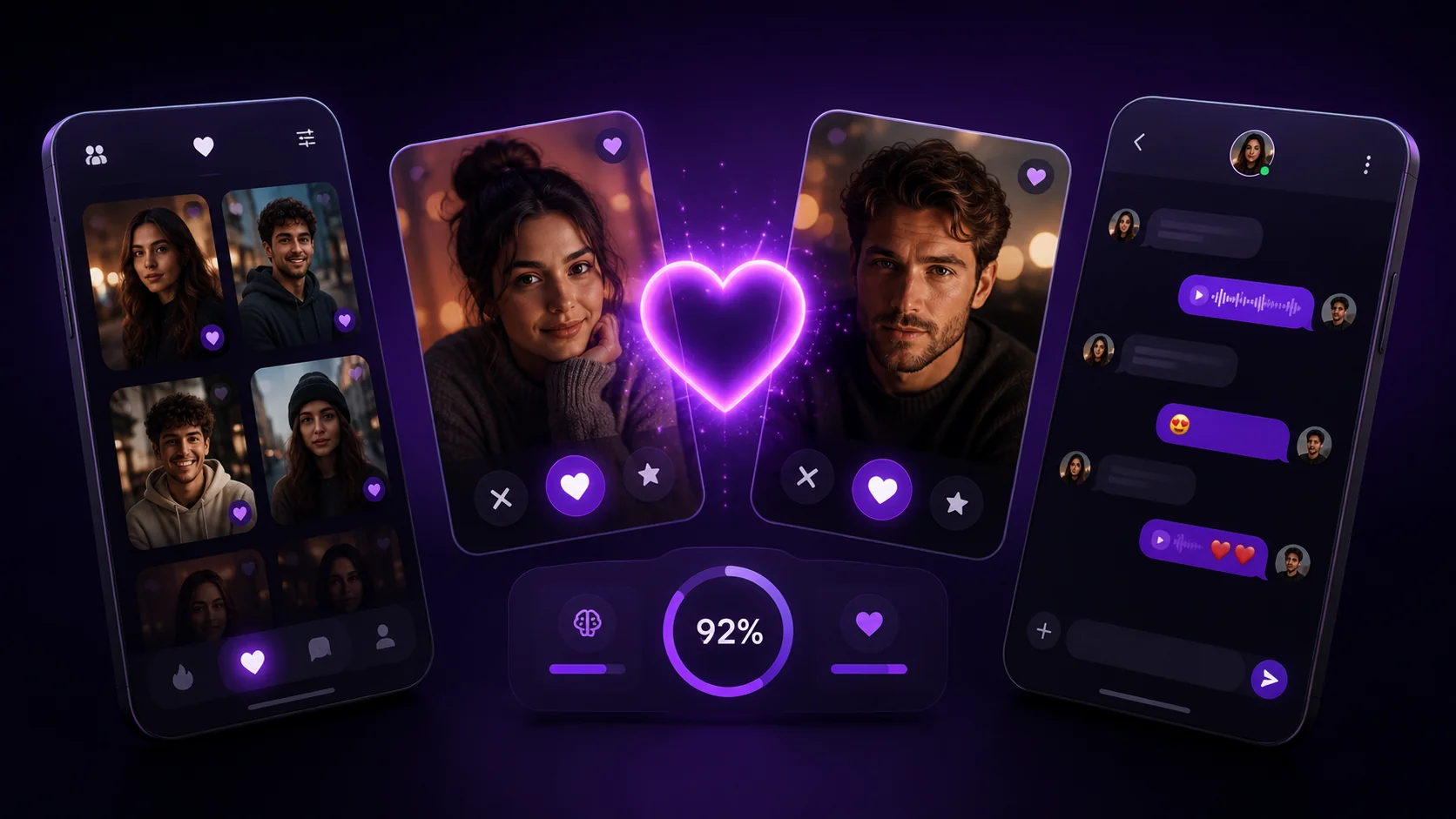
Dating apps sit among the most competitive categories in mobile development, but niche and region-focused platforms continue to find real traction. That’s the opportunity behind most dating app development India inquiries we get from founders with a specific audience in mind.
As a mobile app development company in Hyderabad, here’s what actually goes into building one that works.
Why Niche Dating Apps Still Succeed
Broad, general-purpose dating apps dominate mainstream awareness, but focused platforms — built around specific communities, interests, or regions — consistently find dedicated user bases the big players don’t serve well.
So the opportunity isn’t competing head-on with established giants. It’s finding an underserved niche and building specifically for it.
Core Features Every Dating App Needs
- Profile creation — photos, bio, and preference settings users can update easily
- Matching algorithm — logic connecting users based on location, interests, and stated preferences
- In-app messaging — real-time chat once a match occurs
- Discovery/swipe interface — the primary browsing mechanism most users expect
- Verification — photo or ID verification reducing fake profiles
Skip verification, and trust in your platform erodes fast. This feature matters more than founders often initially expect.
Building the Matching Algorithm
A basic matching system filters by location, age range, and stated preferences. More sophisticated systems incorporate behavioral signals — who users actually engage with, not just who they say they’re interested in.
Start simple. An overly complex algorithm before you have real user data to train it often performs worse than straightforward filtering logic.
Real-Time Chat Implementation
In-app messaging needs real-time delivery once a match occurs, similar to the WebSocket-based infrastructure used in Socket.io implementations. Message delivery confirmation and typing indicators both meaningfully improve the perceived responsiveness users expect from modern chat.
Safety and Verification Features
Photo verification, reporting mechanisms, and blocking functionality all protect users and build platform trust. This isn’t optional polish — safety features directly affect whether users feel comfortable enough to keep using the platform.
Location privacy also deserves careful handling. Showing approximate distance rather than exact location protects user safety without sacrificing the matching functionality that depends on proximity.
Monetization Models
Freemium remains the dominant model — free core functionality with paid tiers unlocking unlimited swipes, advanced filters, or profile boosts. Subscription models work well for platforms with strong retention, while one-time purchases (like profile boosts) suit lower-commitment monetization.
Test pricing carefully. Dating app monetization is sensitive to perceived value, and pricing too aggressively early can suppress the user growth needed to reach scale.
Recommended Technology Stack
- Frontend: React Native, for consistent cross-platform experience
- Backend: Node.js, handling real-time matching and messaging efficiently
- Database: PostgreSQL or MongoDB, depending on how relational your matching logic needs to be
- Real-time infrastructure: WebSocket-based chat for instant messaging
How NRS Technologies Builds Dating Apps
We start by clarifying the specific niche and community a dating app is meant to serve, since this shapes matching logic and feature priorities from day one. Our mobile app development services cover this full build process, from MVP through scaling.
As a result, clients launch with a focused product built for their actual target audience, not a generic swipe-app clone. Our UI/UX design services also ensure onboarding and profile creation feel smooth from the very first session.
Frequently Asked Questions
Can a niche dating app succeed against major established platforms? Yes, focused platforms built around specific communities or regions consistently find dedicated user bases that broader, general-purpose apps don’t serve well.
How important is profile verification for a dating app? Very important. Verification features directly affect user trust in the platform, and skipping this often leads to reduced engagement due to fake profile concerns.
What’s the most common monetization model for dating apps? Freemium, offering free core functionality with paid tiers for features like unlimited swipes, advanced filters, or profile boosts, remains the dominant approach.
How long does it take to build a dating app MVP? A focused MVP with core profile, matching, and chat features typically takes a few months, depending on how sophisticated the matching algorithm needs to be at launch.
Should location data be shown exactly or approximately in a dating app? Approximately is generally recommended. Showing precise location can create safety risks, while approximate distance still supports proximity-based matching functionality.
Is real-time chat necessary for a dating app, or can messaging be delayed? Real-time delivery significantly improves user experience and engagement, since delayed messaging feels disconnected from how users expect modern chat apps to work.
Final Thoughts
Dating apps reward founders who identify a genuine underserved niche rather than trying to out-feature established giants. Safety, verification, and focused matching logic matter more than flashy extras at launch.
Ready to get started? Contact NRS Technologies at hello@nrstechnologies.com or visit nrstechnologies.com/contact for a free app consultation.