
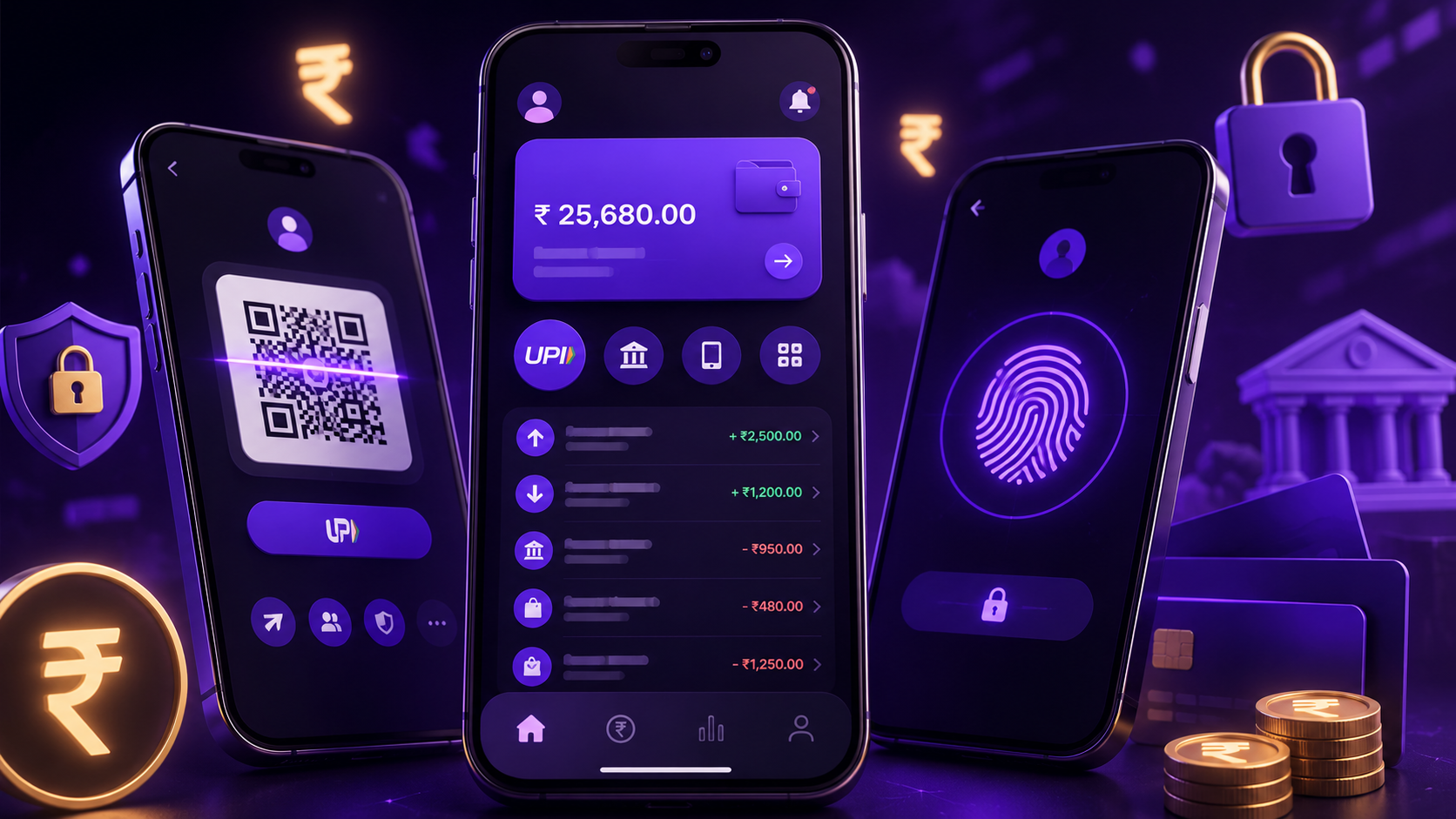
Fintech is one of the most heavily regulated categories in Indian app development, and it’s also one of the most unforgiving of shortcuts — a security gap or compliance miss doesn’t just cost money, it can end a product before it launches. As a fintech app development company in Hyderabad, here’s what actually goes into building one properly in 2026.
The Fintech App Market in India
India’s fintech sector has grown rapidly on the back of UPI adoption, digital lending demand, and a large underbanked population increasingly accessing financial services through mobile-first products. Categories like digital wallets, Buy Now Pay Later (BNPL), and lending platforms continue to see strong demand, though each carries distinct regulatory obligations that shape technical architecture from day one.
RBI Regulations: Mandatory Compliance
Any fintech app handling payments, lending, or wallet functionality in India needs to align with Reserve Bank of India guidelines relevant to its specific category — payment aggregator rules, digital lending guidelines, or data localization requirements, depending on what the app actually does. This isn’t optional groundwork; regulatory alignment needs to shape the product architecture from the earliest planning stages, not get retrofitted after a working prototype exists.
Core Features Every Fintech App Needs
- Digital wallet functionality — balance tracking, top-ups, transaction history
- KYC (Know Your Customer) — identity verification integrated at onboarding, not as an afterthought
- UPI integration — via NPCI-authorized rails for instant payments
- Transaction history — clear, exportable records for user trust and compliance audits
- Push notifications — real-time alerts for transactions and security events
Security Requirements
Fintech apps demand security architecture well beyond typical consumer apps:
- End-to-end encryption for sensitive data in transit and at rest
- Two-factor authentication (2FA) on all account access and transactions
- Audit logs capturing every sensitive action for compliance and dispute resolution
- Biometric authentication (fingerprint, face ID) for frictionless yet secure access, following patterns detailed in Firebase Authentication’s documentation
Recommended Technology Stack
- Frontend: React Native for cross-platform consistency
- Backend: Node.js for API and transaction handling
- Cloud infrastructure: AWS, which offers dedicated fintech compliance frameworks and financial-grade infrastructure options
- Database: PostgreSQL for relational data requiring strong consistency guarantees, critical for financial transaction integrity
Payment processing patterns can draw insight from established players — Razorpay’s engineering blog and Stripe’s blog both offer useful architectural perspective on building reliable, auditable payment systems at scale.
Development Timeline and Cost Breakdown
Fintech apps typically take longer to build than standard consumer apps due to compliance requirements, security audits, and the extensive testing needed before handling real money. Costs scale significantly with the complexity of lending logic, number of payment integrations, and depth of KYC/compliance automation required — a simple digital wallet MVP costs meaningfully less than a full lending platform with credit scoring integration.
How NRS Technologies Builds Secure Fintech Apps
We architect fintech products with security and compliance as foundational requirements, not features added before launch — audit logging, encryption, and KYC integration are built into the data model from the first sprint, not retrofitted once a working prototype exists. For market context on the broader opportunity, IBEF’s financial services industry report offers useful sector-wide data worth reviewing during early planning.
Frequently Asked Questions
Do all fintech apps need RBI approval before launching? Requirements vary by category — payment aggregators, lending platforms, and wallets each have distinct RBI compliance obligations, so it’s essential to identify your specific regulatory category early in planning.
How long does it take to build a compliant fintech app in India? Fintech apps typically take longer than standard consumer apps due to compliance requirements, security audits, and extensive testing before handling real transactions.
Is biometric authentication mandatory for fintech apps? It’s not universally mandatory, but it has become a strong user expectation and significantly improves both security and user experience for repeat transactions.
What’s the biggest technical challenge in fintech app development? Balancing airtight security and compliance requirements with a frictionless user experience is typically the hardest ongoing challenge, since the two goals often pull in opposite directions.
Can a fintech MVP launch without full lending or credit features? Yes, many successful fintech products launch with core wallet and payment functionality first, adding lending or credit features once the core platform has proven demand and stability.
Does data need to be stored within India for fintech apps? Data localization requirements apply to certain categories of financial data under RBI guidelines, so this needs to be assessed based on the specific type of data your app handles.
Ready to build a secure, compliant fintech app? Talk to NRS Technologies — Hyderabad’s fintech app development experts. 📧 hello@nrstechnologies.com | 🌐 nrstechnologies.com/contact
Final Thoughts
Fintech app development rewards businesses that treat compliance and security as core architecture, not compliance theater added right before launch. Getting this foundation right early avoids costly rework and regulatory risk down the line.
Ready to get started? Contact NRS Technologies at hello@nrstechnologies.com or visit nrstechnologies.com/contact for a free fintech app consultation.